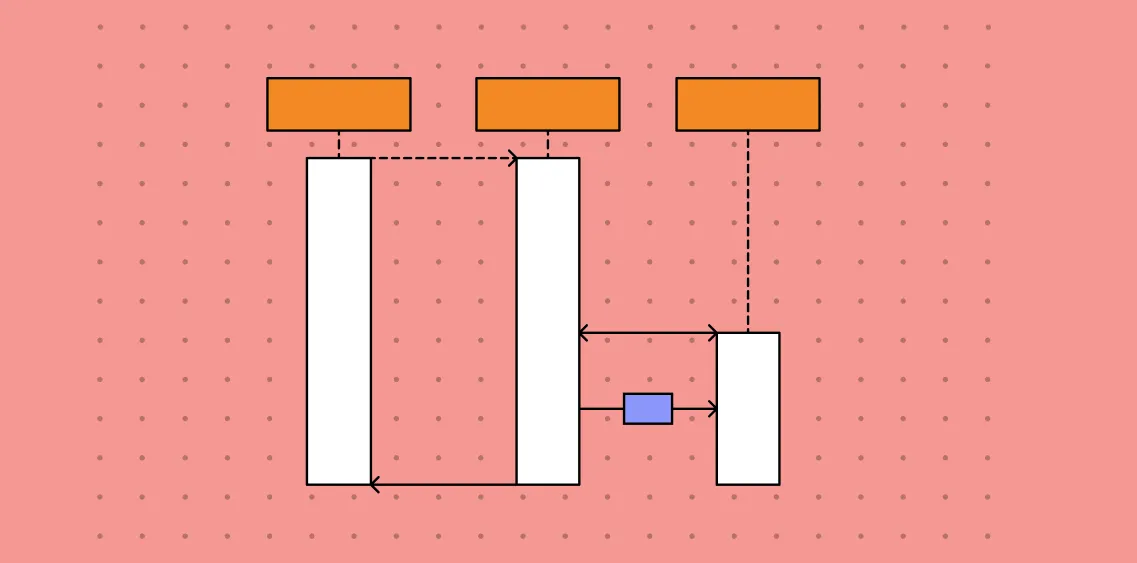
Prompts are the heart of any conversation with ChatGPT. They determine the direction, depth, and detail of the model’s response. By dissecting different types of prompts and their purposes, we can better harness the potential of ChatGPT. In this article, we’ll categorize various prompts, understand their role, and draw an analogy with UML sequence elements to make the concepts more tangible.
Classification of Prompts for ChatGPT
1 Basic Prompts
Purpose: To generate a general response or to start a broad discussion on a topic.
Example:
“Tell me about climate change.”
UML Analogy: Consider this as the “Actor” in a UML sequence diagram. Just like an actor initiates an action in a system, basic prompts initiate a conversation with the AI.
2 Leading Questions
Purpose: To guide the model to a more detailed or nuanced response by providing it a path or a hint.
Example:
“What are the consequences of climate change on marine life?”
UML Analogy: This can be related to the “Message” in a UML sequence. It’s the main communication that is sent from one object to another in the system, indicating a particular flow.
3 Contextual Prompts
Purpose: To provide background information, helping the model cater its response according to the context given.
Example:
“Considering the recent wildfires in California, explain the role of climate change.”
UML Analogy: This is like the “Combined Fragment”. Just as a combined fragment in UML can represent a choice or a loop (giving context to the messages that follow), contextual prompts set the stage for the AI’s response.
4 Directive or Instructional Prompts
Purpose: To command the model to generate content in a specific format or style.
Example:
“List five measures to combat climate change.”
UML Analogy: This can be likened to the “Return Message” in UML. It’s direct, often expecting a concise or structured response, similar to how a return message indicates the end of a call or method in UML.
5 Role-playing Prompts
Purpose: To engage the model in a scenario, making interactions more creative or specific to certain roles.
Example:
“Imagine you’re a 22nd-century historian. Describe the efforts of the 21st century in battling climate change.”
UML Analogy: This is akin to the “Create Message”. It brings forth a new context or perspective, just as a create message in UML represents the dynamic creation of an instance of a classifier.
Why It Matters: Understanding the AI’s Perception
When you provide a prompt to ChatGPT, it doesn’t “understand” in the conventional sense. Instead, it processes the prompt based on patterns it’s learned from vast amounts of text data. By segmenting prompts and using them strategically:
- We can achieve more precise responses.
- We can guide the AI to think creatively or contextually.
- We can ensure a smoother conversational flow.
UML Sequence Elements and Prompts: A Comparative Analysis
By comparing prompts to UML elements, we find a structural way to understand their interaction with the AI:
- Actor(Basic Prompt): Initiates the flow.
- Message(Leading Question): Drives the primary action or task.
- Combined Fragment (Contextual): Sets a contextual boundary for subsequent interactions.
- Return Message (Directive): Expects a direct, often singular response.
- Create Message (Role-playing): Introduces a new element or perspective.
Understanding this analogy can be beneficial for those familiar with UML, offering a structured view of how prompts work.
After all
Crafting effective prompts is crucial for maximizing the capabilities of ChatGPT. By categorizing and understanding the purpose of each prompt type and relating it to UML sequence elements, we can approach our interactions with the AI in a more structured and informed manner. This not only aids in generating better responses but also in understanding the underlying dynamics of the AI’s processing mechanism.
Originally published on Medium.