Artificial Intelligence, or as we often refer to it, AI, has become an undeniably transformative force across a variety of sectors. Among these, the world of User Experience, or UX, is undergoing a sea change. It’s true, AI can fuel incredible enhancements in UX, ranging from smart typing predictions to personalized content and much more. But here’s the catch — integrating AI into the world of UX design is no walk in the park. Let’s delve deeper into these challenges, with a keen eye on client application architecture and the learning curve that today’s UX/UI designers and product owners are about to ride.
The AI-UX Conundrum: Keeping User Expectations in Check
At the heart of this challenge is a balancing act. AI has the prowess to customize interfaces and deliver user experiences that adapt based on a user’s behavior. However, these intelligent interfaces must not become overzealous, turning from helpful to intrusive. Drawing this line is no simple task for UX designers — it’s akin to walking a tightrope.
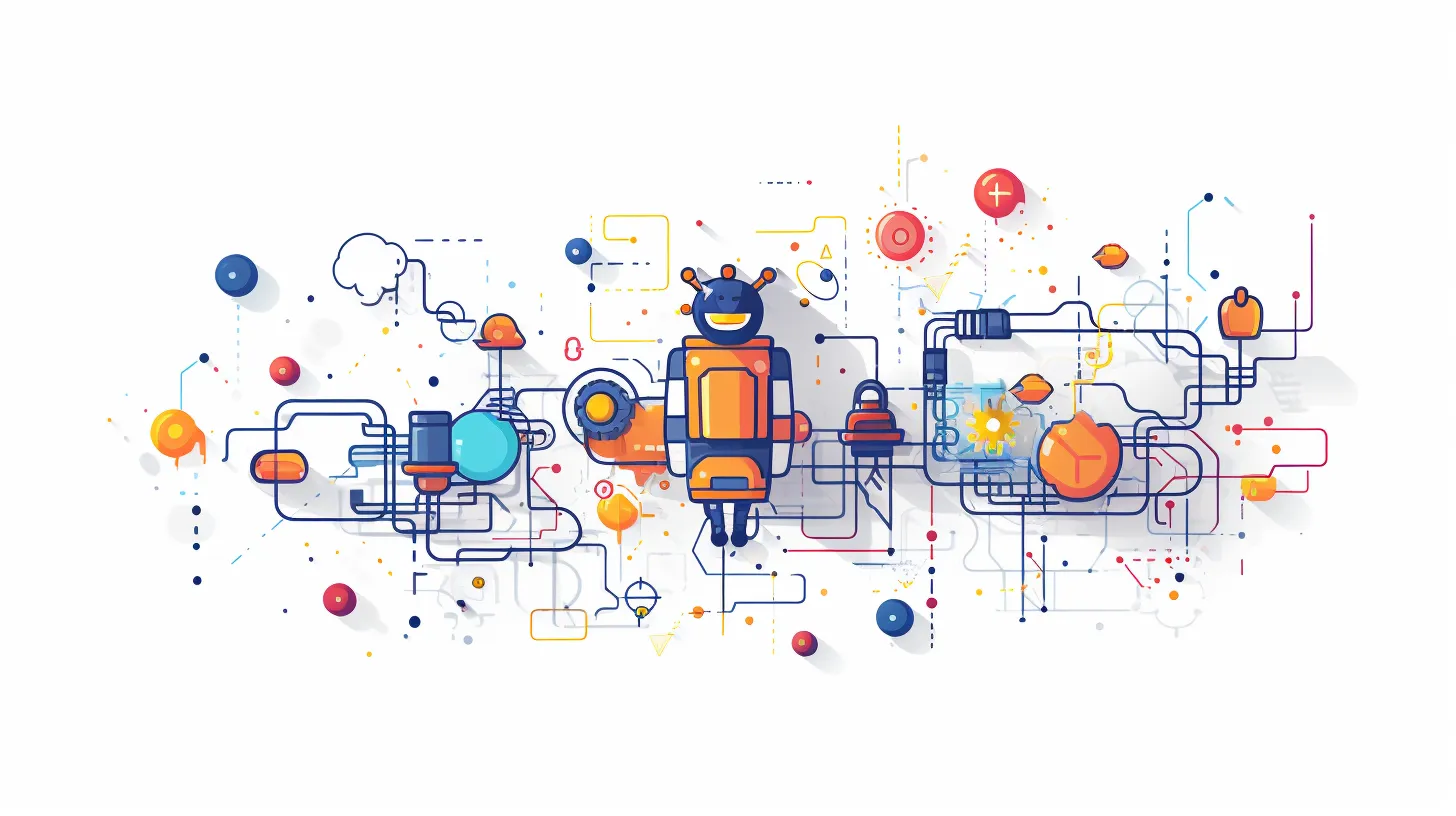
AI Behind the Scenes: The Impact on Client Application Architecture
The arrival of AI on the UX scene has stirred up the waters of client application architecture. Earlier, the UX designers were the artists, painting the interface while the developers built the canvas in isolation. Not anymore. AI’s introduction has fused the once separate worlds of design and architecture. As AI models infiltrate the client application, UX designers must now get their hands dirty with the underlying tech to ensure their design choices truly serve user needs without jeopardizing the application’s performance.
Building Trust in AI: A Transparent UX is Key
If you’re asking users to accept AI’s role in shaping their experience, you must offer transparency in return. Creating interfaces that explain the AI’s decisions helps earn user trust. Translating complex AI principles into simple, understandable UX design is no small feat, but it’s a skill set today’s designers are learning to master.
The AI Learning Curve for UX/UI Designers and Product Owners
We’re in the early days of AI in UX design, which means our UX/UI designers and product owners are more or less rookies in this domain. They’re confronted with a steep learning curve, covering both the technicalities of AI and its ripple effects on design principles. Continuous learning and adaptation are now prerequisites in the UX field, which makes professional development more crucial than ever.
AI in UX Design: An Ethical Minefield
And then there’s the ethical dimension. Data privacy, informed consent, algorithmic bias — these are ethical quandaries that UX/UI designers and product owners can no longer ignore. Addressing these issues adds yet another layer of complexity to AI implementation.
To sum it all up, introducing AI into the realm of UX design poses a set of challenges that demand designers and product owners rethink their strategies. It’s about mastering AI, fostering a continuous learning culture, and keeping ethical and user-centric considerations at the forefront. Sure, it’s a tough path to tread, but those who can navigate it are in for a treat. With AI in their arsenal, UX designers can forge ahead to create dynamic, personalized experiences that redefine user interactions with digital platforms. It’s a challenging, yet exciting journey into the future of design.
AI Meets UX was originally published in Bootcamp on Medium, where people are continuing the conversation by highlighting and responding to this story.
Originally published on Medium.